Trezor Login: The Complete Guide to Secure Cryptocurrency Access
Cryptocurrency offers freedom and control over your finances, but with that freedom comes responsibility. Unlike banks, your crypto is not insured or protected by a third party. This makes hardware wallets essential for keeping your assets secure. Trezor, one of the most popular hardware wallets, provides a secure way to store cryptocurrency, and Trezor login is the process that allows you to safely access your funds.
This guide will cover everything about Trezor login, including setting up your device, connecting to the Trezor app, managing accounts, troubleshooting, security tips, and advanced features.
What is Trezor?
Trezor is a hardware wallet developed by SatoshiLabs that allows users to store cryptocurrency offline. Unlike software wallets, Trezor keeps private keys offline, making it resistant to hacking and malware attacks.
Trezor hardware wallets include:
Trezor One – The original, affordable model with essential features.
Trezor Model T – The advanced version with a touchscreen and extra features.
Trezor works with multiple cryptocurrencies, including Bitcoin, Ethereum, and thousands of altcoins. To manage crypto, Trezor uses software called Trezor Suite, which acts as a secure interface for accessing your wallet.
Why Trezor Login is Important
Trezor login is different from logging into a regular app. There’s no username or password in the traditional sense. Instead, login is a secure process that requires your hardware wallet and PIN, ensuring that even if your computer is compromised, your funds remain safe.
Key reasons why Trezor login is essential:
Hardware-Based Security – Private keys never leave the device.
Protection Against Malware – Transactions are signed offline on the Trezor device.
Access to Portfolio – Trezor Suite lets you see balances, send and receive crypto, and track transaction history.
Advanced Functions – Swap crypto, manage multiple accounts, and interact with DeFi safely.
Installing Trezor Suite
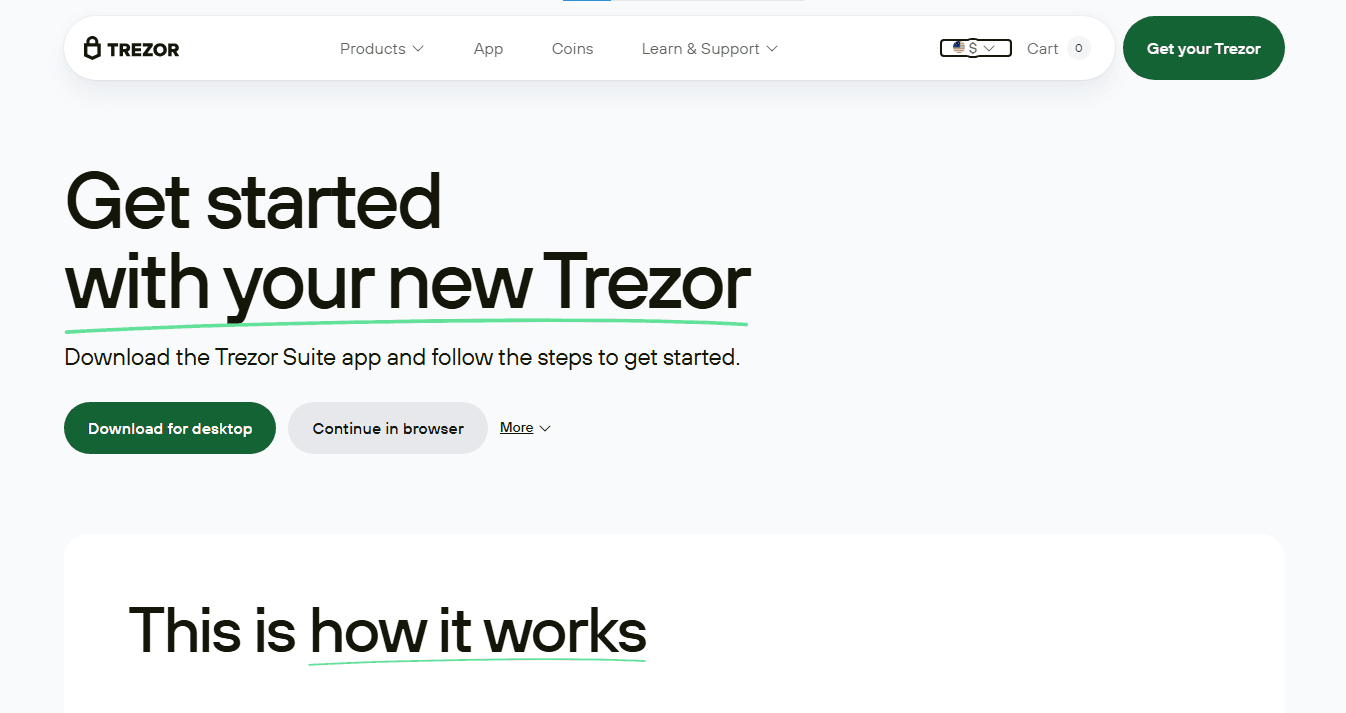
Before logging in, you must install the Trezor management application called Trezor Suite.
Desktop Installation
Go to the official Trezor website.
Download Trezor Suite for your operating system: Windows, macOS, or Linux.
Run the installer and follow instructions.
Open Trezor Suite to start setup.
Mobile Installation
Trezor Suite is available for mobile devices (iOS and Android).
Download from the App Store or Google Play.
Install and open the app to begin setup.
Setting Up Trezor for the First Time
If you are using a new Trezor device, it needs to be set up before login:
Connect Device – Use USB to connect Trezor One or Model T to your computer.
Install Firmware – Follow instructions in Trezor Suite to install or update firmware.
Create a PIN – Choose a strong PIN to protect your wallet.
Write Down Recovery Seed – Trezor generates a 12- or 24-word seed. Store it offline securely.
Initialize Wallet – After setup, Trezor is ready for use and login.
The recovery seed is the only way to restore your wallet if the device is lost, stolen, or damaged. Never share it.
Trezor Login: Step-by-Step
Logging into Trezor Suite is straightforward but differs from typical online logins. Here’s how it works:
Connect Your Device – Plug in Trezor One or Model T via USB.
Enter PIN on Device – Use the PIN you set up during initialization.
Open Trezor Suite – The app detects your hardware wallet and displays your accounts.
Access Your Crypto – You can now view balances, send and receive crypto, and manage accounts.
Every transaction and action is confirmed directly on the device, ensuring security.
Key Features of Trezor Suite
Trezor Suite provides a full range of tools for managing cryptocurrency:
1. Portfolio Overview
View all assets in one dashboard.
Track values in crypto or fiat currency.
Monitor portfolio growth over time.
2. Account Management
Add, rename, or remove accounts for different cryptocurrencies.
View detailed transaction history.
Organize multiple wallets efficiently.
3. Sending and Receiving Cryptocurrency
Send crypto securely by entering the recipient’s address.
Confirm transactions directly on Trezor hardware.
Receive crypto using unique addresses generated for each account.
4. Buying, Selling, and Swapping
Buy crypto via Trezor-approved partners.
Swap supported cryptocurrencies within Trezor Suite.
Transactions are signed securely on the device.
5. Security Features
All actions require device confirmation to prevent malware or phishing attacks.
PIN and passphrase options increase security.
You can enable hidden wallets with a passphrase for extra protection.
6. Advanced Features
Connect to DeFi apps safely.
Track real-time market data and prices.
Export transaction history for taxes or personal tracking.
Security Tips for Trezor Users
Even with Trezor’s secure design, follow these tips:
Never Share Recovery Seed – Keep it offline in a secure location.
Keep Firmware Updated – Updates improve security and add features.
Verify Transactions on Device – Never approve only on the computer screen.
Use a Strong PIN – Prevents unauthorized access.
Use Passphrase for Extra Security – Optional hidden wallets add an extra layer.
Avoid Public Computers – Log in only on trusted devices.
Troubleshooting Trezor Login Issues
Some users may face common issues during login:
Device Not Detected
Check USB connection and cable quality.
Restart Trezor Suite and your computer.
PIN Not Accepted
Enter carefully; too many wrong attempts temporarily lock the device.
Firmware Update Errors
Ensure stable internet connection.
Retry firmware installation via Trezor Suite.
Transactions Not Displayed
Ensure correct blockchain network is selected.
Wait for network confirmation.
Trezor Login Without Hardware Wallet
Trezor Suite allows limited usage without a device:
View portfolio performance
Track cryptocurrency prices
However, sending, receiving, or staking crypto requires the hardware wallet to sign transactions offline.
Recovery and Backup
If your Trezor is lost, stolen, or damaged:
Restore Using Recovery Seed – Use the 12- or 24-word seed on a new Trezor device.
Reinstall Trezor Suite – Download the app and reconnect the device.
The recovery seed is critical; losing it can permanently lock you out of your crypto.
Tips for Beginners
Start with small transactions to practice using Trezor Suite.
Keep your recovery seed offline and secure.
Update firmware and Trezor Suite regularly.
Always verify actions on the device screen.
Avoid sharing device access or credentials.
Advanced Trezor Features
For experienced users, Trezor offers:
DeFi Access – Safely interact with decentralized finance platforms.
Multiple Wallet Management – Manage several accounts in one place.
Transaction Export – Download history for taxes or personal tracking.
Hidden Wallets – Use passphrases for private wallets within the same device.
Why Trezor Login is Crucial
Trezor login ensures that only the authorized user can access crypto. Unlike software wallets, login requires the hardware wallet and PIN, keeping private keys offline and secure.
Protects against malware and phishing
Gives full control over crypto assets
Enables safe use of advanced features like DeFi and staking
Conclusion
Trezor login is more than just accessing your wallet—it’s a secure gateway to managing cryptocurrency safely. With Trezor Suite, users can:
View and track balances
Send and receive crypto securely
Swap coins and access DeFi
Export transaction history and monitor portfolio performance
By following security best practices and verifying every action on your hardware device, Trezor provides one of the safest ways to manage crypto. Paired with a recovery seed backup, Trezor login ensures peace of mind for both beginners and experienced users.